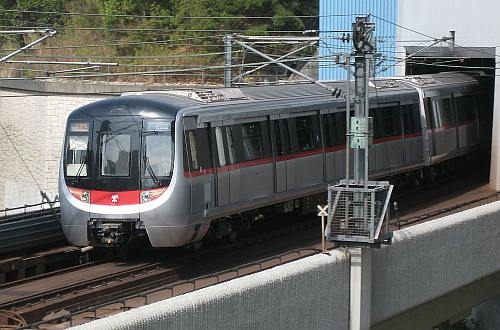
MTR of Hong Kong brought CBTC into service on the 16km Tsuen Wan Line on March 15, replacing signalling installed in 1996.
CBTC is also be retrofitted to three other metro lines in Hong Kong, with trials underway on the Island Line and implementation on the Tsuen Kwan O and Kwun Tong lines expected by 2029. The new Tuen Mun extension and the Hung Shui Kiu projects are being built with CBTC installed from new.
“The replacement of the signalling system while lines remain operational is a massively complex project,” says Cheris Lee, deputy director, of the operating and metro segment at MTR.
“The new system has passed multiple rounds of rigorous tests, safety verifications and inspections. We will strive to ensure the changeover to the new system and subsequent operations are smooth, and we have developed a range of alerts and contingency plans to address any potential teething issues which may arise during initial operations.”
These plans appeared to work well on the first day of service when “isolated” incidents, such as trains misaligning with platform screen doors at stations, were dealt with by additional staff drafted in to maintain operational performance.
All four of Hong Kong’s 10 metro lines presently transitioning to CBTC are currently operated with older British-built M-Train rolling stock, but they will be replaced with new eight-car Q-Train EMUs supplied by CRRC on a line-by-line basis following introduction of CBTC.
For detailed information on metro projects across Asia, subscribe to IRJ Pro.